What to Look for Before Investing in a New Cryptocurrency Project
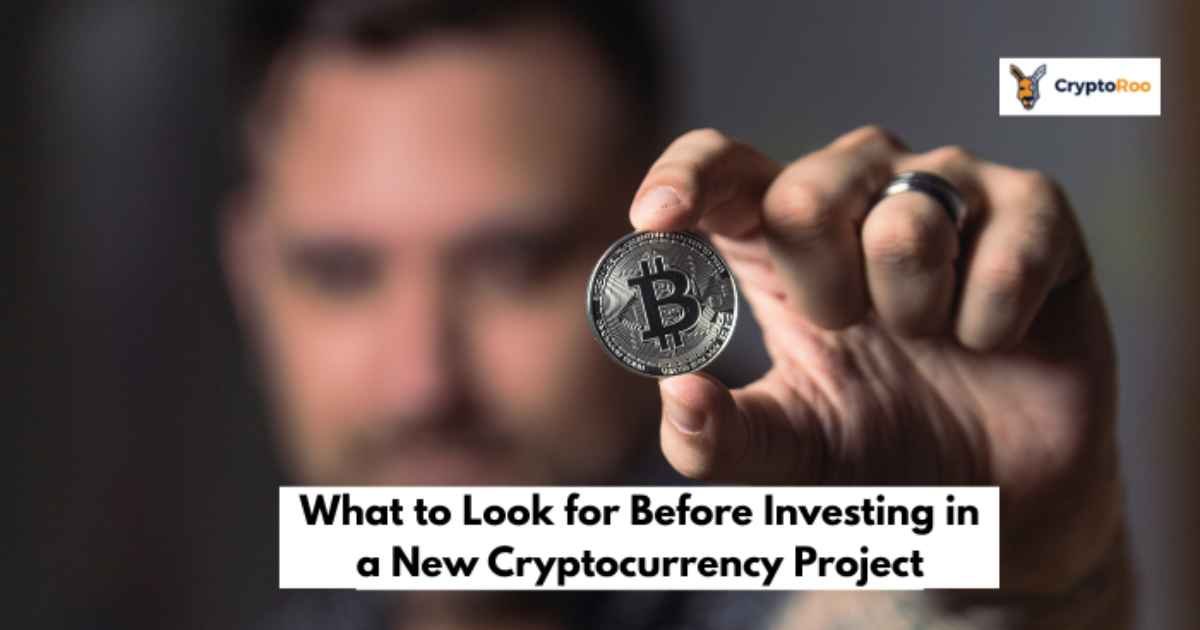
Before you put money into any cryptocurrency project, check five things: the team, the white paper, on-chain activity, token distribution, and community quality. Flashy websites and influencer endorsements don’t prove a project is worth your money.
At Crypto Roo, we help beginners understand blockchain technology this way so they can invest without getting scammed. The need for that is only growing, with more than 37 million cryptocurrencies in existence (and most of them won’t last).
The stakes are high, too. The FBI reports Americans lost over $11 billion to crypto fraud in 2025. Most of those losses came from buying on hype, skipping due diligence, and ignoring how crypto projects actually work.
So in this article, we’ll cover a simple framework for crypto project analysis and spotting red flags prior to your new cryptocurrency investment.
Crypto Project Analysis: A Practical Framework for Evaluating Blockchain Projects
A solid crypto project analysis covers four areas: purpose, team, tokenomics, and on-chain data. If you check all four before investing, you’ll filter out most low-quality cryptocurrency projects. Here’s how to do it step by step.
Step 1: Start With the Project’s Purpose
Every legitimate blockchain project should solve a genuine problem. If the white paper reads like a pile of buzzwords with no actual use case, that’s your first warning sign. Rather, look for a specific explanation, like:
- What the project does
- Who it helps
- How it differs from existing solutions
Another way to assess a project is to ask: Does this project genuinely need blockchain technology, or could a regular database do the same job? Once you answer this question, you’ll notice that a lot of crypto projects slap “decentralized” onto their pitch without explaining why that improves the product for users.
You should also compare the project against its competitors. For instance, if five other blockchain projects already do the same thing with stronger adoption, a newcomer will need a more convincing reason to exist.
So check if it offers faster transactions, lower fees, or a genuinely new approach.
Step 2: Evaluate the Team and Development Activity
The people behind a project tell you a lot about its future. Legitimate teams are transparent about who they are and share verifiable work history on platforms like LinkedIn or GitHub. While anonymous founders aren’t always a red flag, they do raise questions about accountability if something goes wrong.
Speaking of GitHub, it’s one of the most honest signals out there. Regular code commits, open pull requests, and active community contributions show that developers are genuinely building. A repository with no updates for months, on the flip side, often means the project has stalled or been abandoned.
Community quality is just as important. Like, a project with thousands of Twitter followers but zero technical discussions on Discord or forums probably runs on hype. Ethereum, for comparison, has a huge community that actively debates network upgrades and protocol changes in public channels.
Step 3: Perform Smarter Token Research
Start by understanding what the token does within the project. For example, some tokens power transactions on the network, while others grant voting rights or reward stakers for securing the chain.
From there, review the token’s supply schedule, emission rate, and vesting timeline. These details show how and when new tokens enter the market. Sometimes, a large number of locked tokens become available all at once, and the extra supply can push the price down quickly. You can usually find this information in the project’s documentation or on CoinGecko.
Wallet concentration is another red flag worth watching. If a small number of wallets hold most of the supply, those insiders can dump their tokens whenever they want. Tools like Etherscan let you check how evenly a token is distributed across holders.
Always Remember: Market cap on its own doesn’t reveal a digital asset’s true value because low trading volume can make that number very misleading.
Step 4: Use Blockchain Data Instead of Marketing
Marketing can make any project look promising. Raw blockchain data, on the other hand, shows what’s actually happening on the network. These are the most important on-chain metrics for your due diligence:
- Active Addresses: Think of this as foot traffic for a blockchain. The more unique wallets interacting with the network each day, the more likely real people are using it (instead of bots or early insiders).
- Daily Transactions: A healthy network should process a steady flow of transfers, swaps, and contract interactions. If transaction counts spike only during hype cycles and drop to near zero after, that’s a red flag.
- Smart Contract Activity: This one tells you whether anyone is building on the protocol. Frequent contract calls mean developers and users are engaged. A ghost-town contract history, though, could mean the project has no working product yet.
- Trading Volume: As we mentioned earlier, always compare volume against market cap. A project might look large on paper, but if only a handful of trades prop up that number, the valuation is likely inflated.
- Network Growth: New wallet creation over time shows whether a project is gaining momentum. If more new wallets keep appearing, it usually means the project is attracting new users. On the other hand, if wallet growth stays flat or starts to decline, it could be a sign that interest in the project is fading.
- Liquidity Depth: Low liquidity means a moderate sell order can tank the price. So always check the pools on decentralized exchanges before you buy in.
- Treasury Activity: Keep an eye on the project’s treasury wallet. If the team starts moving large amounts to exchanges without a clear explanation, that could indicate they’re preparing to sell.
You can access most of these metrics for free using tools like Etherscan, Dune Analytics, DeFiLlama, CoinGecko, and Token Terminal. These platforms let you track wallet activity, on-chain data, TVL (Total Value Locked), fees, revenue, pricing, and user growth.
However, be careful because bots can fake active addresses, and wash trading can inflate volume numbers. The strongest signal comes from combining several metrics and watching for consistent trends over weeks.
Crypto Due Diligence: Avoid Common Mistakes Before You Invest
The best way to keep your cryptocurrency investments safe is to spot problems before you buy. So take a look at the warning signs, protection steps, and ongoing habits that’ll help.
Red Flags Every Investor Should Recognize
A clean website alone won’t tell you if a project is real or not. These are the red flags worth watching for:
- Anonymous Teams: If you can’t find the founders on LinkedIn, GitHub, or through any past work, that’s a serious concern. Without real identities attached, there’s no one to hold accountable if things go wrong.
- Unrealistic Roadmaps: Promising 10 products in 6 months with a tiny team is either reckless ambition or, more likely, a setup to keep investors interested while insiders cash out.
- No Independent Audits: Legitimate projects invite third-party security firms like CertiK or OpenZeppelin to review their smart contracts. If no audit report exists, you’re trusting code that nobody outside the team has checked.
- Fake Partnerships: Some projects claim connections to major companies that don’t actually exist. A quick search on the supposed partner’s official website will expose the lie, so always verify before trusting a logo on a landing page.
- AI-Generated Websites and White Papers: Scammers now use AI tools to build professional-looking sites and documents in a matter of hours. But generally, a white paper that’s packed with jargon but short on technical detail is often a sign it wasn’t written by a developer.
- Bot-Driven Community Engagement: Thousands of followers mean nothing if the conversations feel generic or repetitive. Genuine communities have members asking hard questions and debating technical decisions in the open (definitely NOT just posting rocket emojis).
- Poor Documentation: Vague or missing documentation around tokenomics and governance usually signals that the team either has something to hide or hasn’t built anything worth explaining yet. Either way, it’s not a project you want your money in.
If a project checks two or more of these boxes at the same time, walk away. Missing out on one opportunity will hurt far less than losing your money to a rug pull or pump-and-dump scheme.
Continue Researching After Investing
The crypto market moves fast, and a project that looks solid today can shift direction in just a few weeks.
One easy habit to build is checking developer activity on GitHub. If code commits slow down or stop entirely, the team may be losing interest in the project. Token unlock schedules are worth tracking as well, since large unlocks can flood the market and push prices down sharply without any warning.
Governance proposals give you another useful signal. Active governance means the community has a say in where the project is heading (and that’s usually a healthy sign).
Beyond that, keep an eye on ecosystem growth by watching for new apps, partnerships, or integrations over time. This way, you’ll stay informed about market trends and on-chain activity, which makes it easier to hold, add to your position, or step away.
Build a Better Cryptocurrency Investment Strategy
So, does your current process cover all the bases before you invest? If it doesn’t, now is a good time to build one. A solid framework comes down to these five things:
- Understand the project’s purpose
- Check genuine blockchain data
- Review the tokenomics
- Look into the team and community
- Keep watching after you buy
Remember, the best crypto investors follow evidence and use the same repeatable process for every new opportunity in the crypto market.
So rather than chasing every trending token, focus on building due diligence habits that protect your cryptocurrency investments over time. If you need a solid place to start, Crypto Roo has beginner-friendly guides and tools to help you invest with confidence.
Disclaimer: The information provided in this article is for general informational and educational purposes only. It does not constitute financial, investment, or legal advice. Cryptocurrency investments are highly speculative and involve significant risk. Readers should conduct their own due diligence and consult a qualified financial professional before making any investment decisions. The author and publisher disclaim all liability for any financial losses or adverse outcomes resulting from reliance on this content. Past market behavior is not indicative of future results.
Explore the topics that matter to you—our curated shelf keeps you learning in total comfort.